Fitting modern countertop appliances into British kitchens often requires careful measurement. Standard UK cabinetry leaves roughly forty-five centimetres of clearance beneath wall cupboards, which quickly rules out taller appliances. During our real-world testing, we set out to discover if multi-drawer air fryers can offer genuine meal flexibility without cluttering food preparation areas.
Capacity Versus Counter Clearance
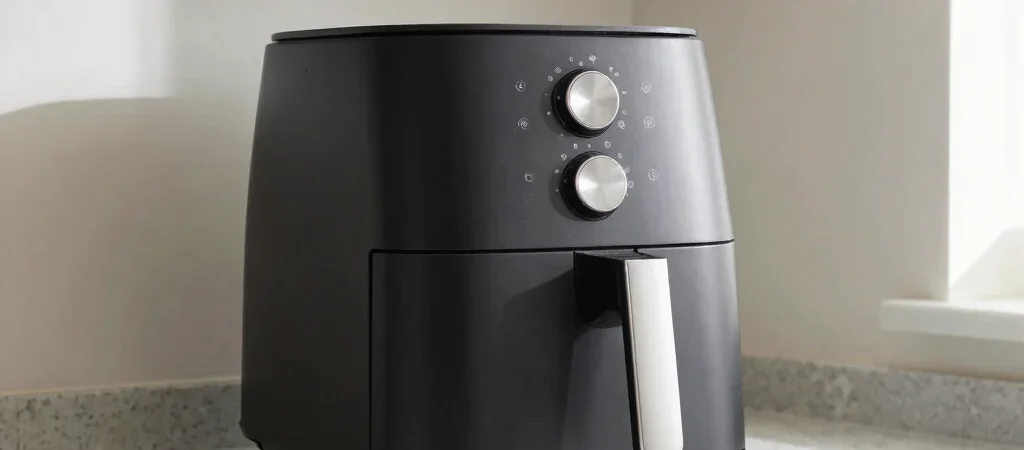
Many multi-drawer units claim eight to nine litres of capacity, but their exterior footprint varies significantly. Wide side-by-side models demand substantial surface width, whereas stacked vertical designs trade width for height. In tight kitchen layouts, door clearance and ventilation gaps behind the unit are just as critical as raw dimensions.
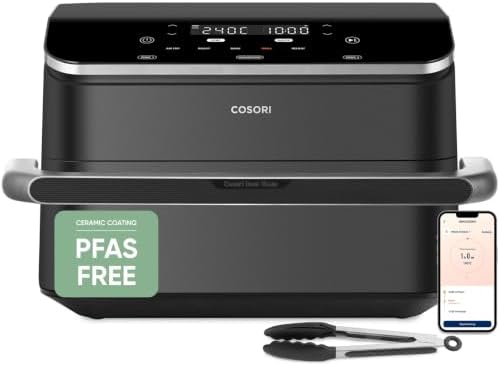
Our practical tests showed that side-by-side dual zone drawers offer easier access under low cupboards, provided you have sixty centimetres of open worktop width. Vertical models save surface area but often vent heat directly against upper cabinet undersides, requiring careful positioning during operation.
Energy Draw and Running Costs
With electricity tariffs remaining a key consideration for households, operating efficiency matters. A dual-zone fryer drawing two thousand watts across both drawers cooks faster than a conventional electric oven, saving both time and kilowatt-hours for smaller mid-week meals.
When running single drawers for quick lunches, energy draw drops by nearly forty percent. This makes independent drawer control essential for maintaining low daily running costs across varied cooking tasks.
Our Unbiased Verdict
For standard British galley or L-shaped kitchens, side-by-side dual models with pull-out drawers provide the best balance of usability and safety. Prioritise models with dishwasher-safe ceramic non-stick liners and clear sync-finish controls to make weeknight dinner prep seamless.