
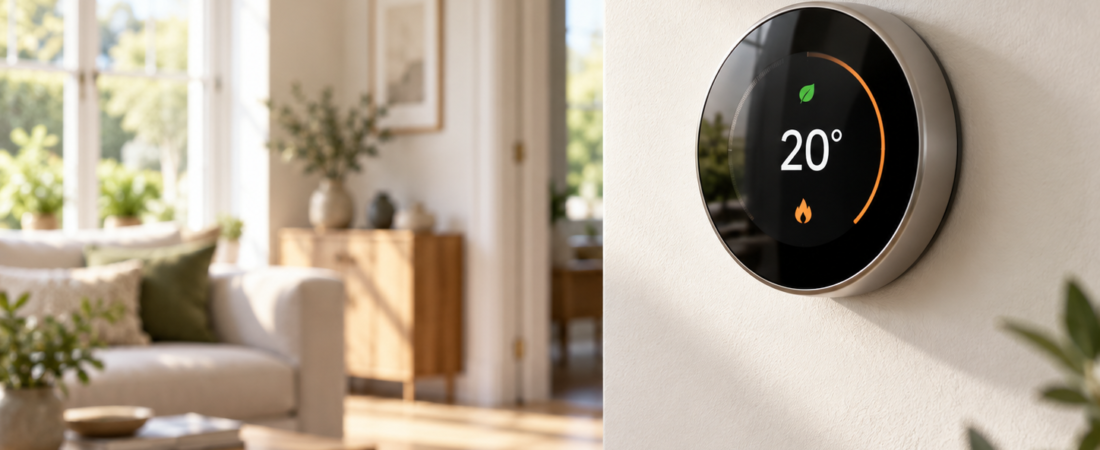
The best smart thermostats UK households can buy should make heating easier to manage while giving you more control over schedules, temperatures and energy use. In this guide, we look at the features that matter most for UK homes, including compatibility, wireless range, zoning, radiator control and ease of installation.
Wireless Range and Connectivity
Traditional masonry and plasterboard walls can weaken low-power wireless signals between smart thermostats, radiator valves and control hubs. In larger or multi-storey homes, hub placement and the type of wireless connection used can make a noticeable difference to reliability, particularly where thick walls or several floors are involved.
Heating System Compatibility
Before buying a smart thermostat, check that it is compatible with your existing heating system. UK homes may use combi boilers, conventional boilers, heat pumps or zoned systems, and some thermostats may require additional wiring, a hub or compatible radiator controls.
Smart Controls and Scheduling
Smart thermostats can make everyday heating easier to manage through app controls, schedules and room-by-room settings. Features such as geofencing, remote access and smart radiator controls can help households tailor heating to when and where it is needed.
Energy-Saving Features
Energy-saving features can help households reduce unnecessary heating by giving more control over when and where heat is used. Room-by-room scheduling, smart radiator controls and away modes can help avoid heating empty spaces, while frost-protection settings can maintain a safe minimum temperature without running the system at full comfort levels. Actual savings will vary depending on the property, heating system, insulation and how the controls are used.
Installation and Ongoing Costs
Installation requirements vary between smart thermostat systems. Some are designed for straightforward replacement of an existing thermostat, while others may need a receiver, hub or professional wiring. If your heating system includes multiple zones, underfloor heating or older controls, installation can be more complex.
It is also worth considering ongoing costs. Some smart thermostat brands include all core features in the purchase price, while others may charge for optional subscriptions, advanced reports or additional radiator controls. Checking these costs before buying can help avoid surprises later.
Who Should Buy a Smart Thermostat?
A smart thermostat can be particularly useful for households with changing routines, people who want remote heating control, and homes where different rooms are used at different times of day. They can also be helpful for households trying to reduce unnecessary heating by using schedules, geofencing and room-by-room controls.
They may be less useful for homes with very simple heating routines or for households that do not plan to use app controls or scheduling features regularly. The best smart thermostat UK buyers choose should match both the heating system and the way the household actually uses its heating.
Before choosing a model, it is also worth checking whether your preferred thermostat works with voice assistants or other smart-home platforms you already use. Good integration can make everyday control easier and help avoid buying extra hubs or accessories later.
Our Verdict
Smart thermostats can be a useful upgrade for UK homes where greater control, easier scheduling and room-by-room heating management are priorities. The best option will depend on your existing heating system, whether you want smart radiator controls, and how much flexibility you need from app-based features. Before buying, check compatibility carefully and consider whether the extra smart features will be useful in your day-to-day routine.
Frequently Asked Questions
Do smart thermostats work with combi boilers?
Many smart thermostats are compatible with combi boilers, but compatibility depends on the specific heating system and thermostat model. Always check the manufacturer’s compatibility information before buying.
Can a smart thermostat save money on heating?
A smart thermostat can help reduce unnecessary heating by improving scheduling, remote control and room-by-room management. Actual savings depend on the home, heating system and how the controls are used.
Do smart thermostats need professional installation?
Some systems are designed for straightforward installation, while others may require professional wiring, a receiver or additional controls. More complex heating systems are more likely to need professional installation.
Our Top Smart Thermostat Picks
Smart Thermostats: Pros and Cons
- Pros: Better scheduling, remote app control, potential energy savings, useful smart-home integration
- Cons: Compatibility varies, some systems need professional installation, premium features may cost extra
We’ve highlighted the key features, benefits and considerations to help you compare smart thermostat options for UK homes.